Echoes of the Husk
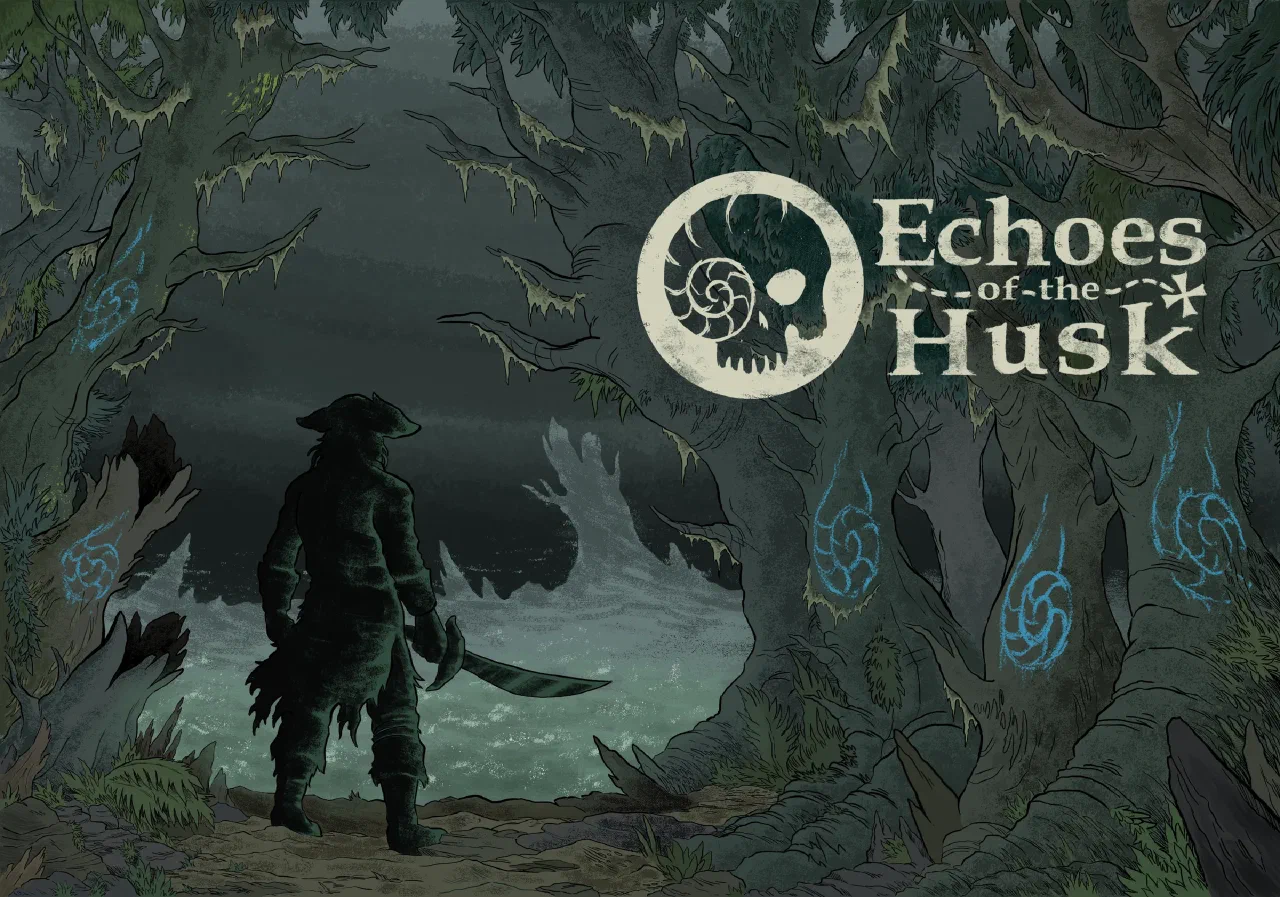
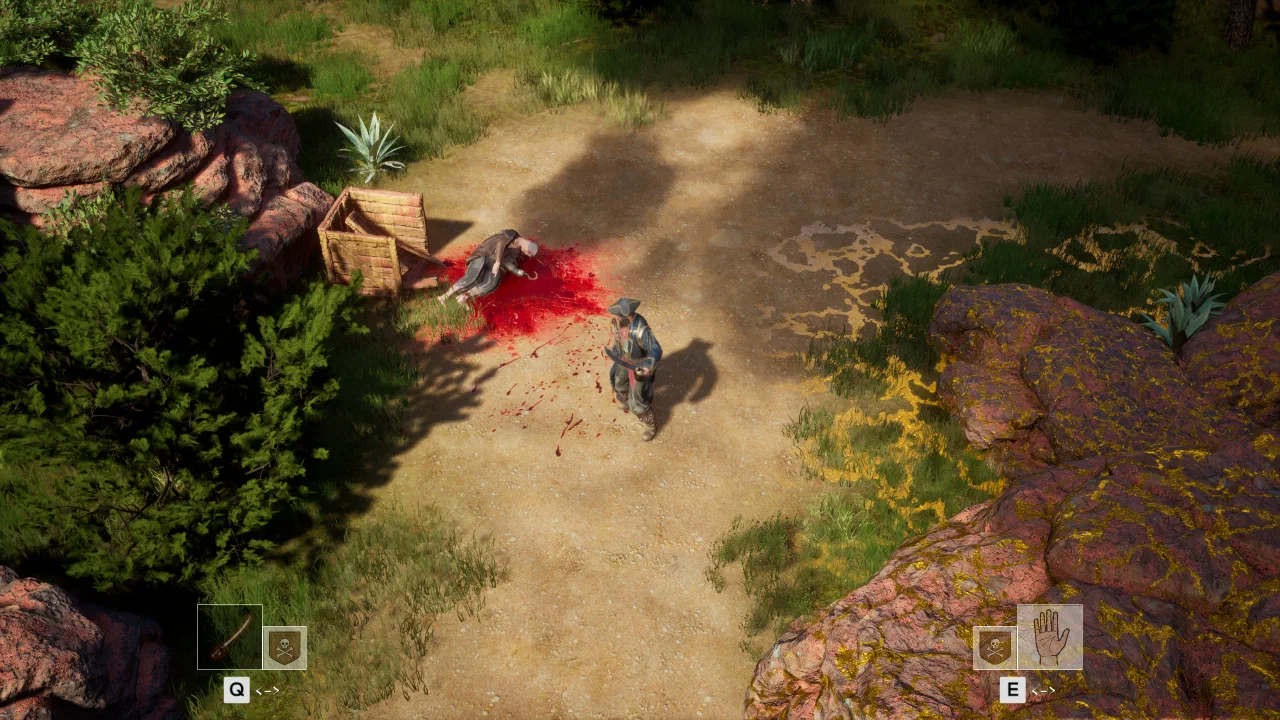
Echoes of the Husk is a singleplayer Survival Horror, developed by Hexagony, set in the golden age of Piracy (XVII - XVIII century).
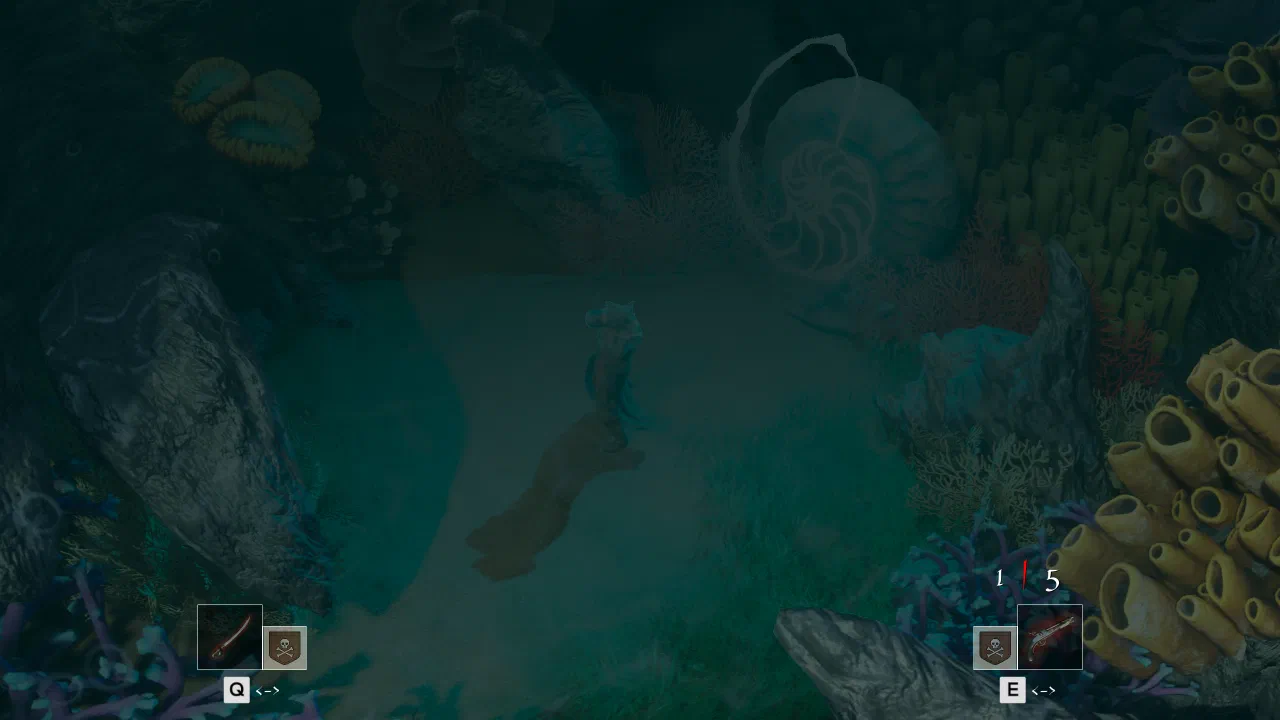
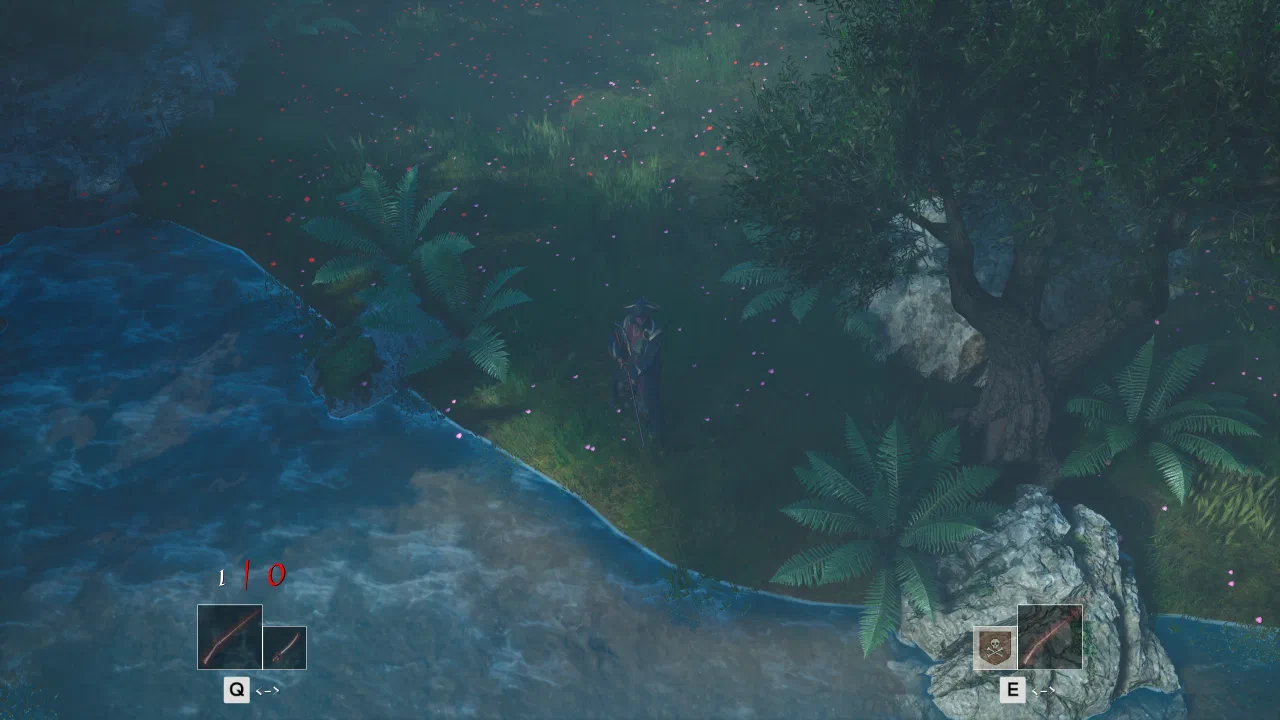
You play as Jago, a stranded pirate on a surreal Mediterranean inspired island, where you’ll explore different biomes, fight foes and terrifying monsters with saber and pistols, scavenge for gear and uncover the mystery of your lost past.
Genre: Survival Horror
Platforms: Windows PC
Gamemodes: Singleplayer, open levels and backtracking
Game Engine: Unreal Engine 5
Development time: 1 year (Vertical Slice, started in September 2024)
Responsibilities
Role: Game Designer
Analyzed similar games, to understand the Survival Horror niche and its Core Mechanics
Responsible for the Combat and 3C Design, translating the feeling of being a pirate into a gameplay system
Coordinated playtest sessions and interviews, to obtain valuable feedback used for achieving a proper Horror feeling
Contributed to pitching the project to publishers
Contributions
Pirate combat & horror
Goal: use Pirate setting to influence not only the game aesthetic, but also the core combat.
Process: creating a slow paced combat, inspired by classical survival horrors like Resident Evil and Silent Hill, while also adding some twists to the formula, by taking advantage of the pirate-era weapons
1. Ranged Weapons
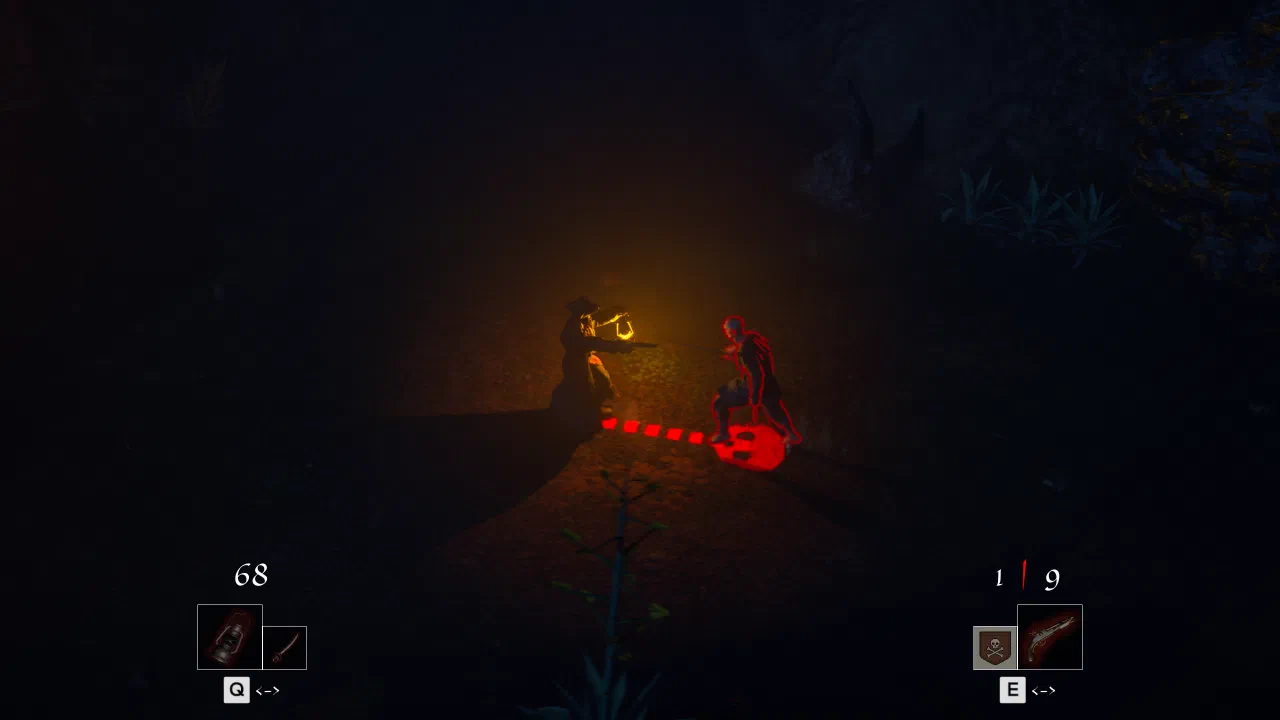
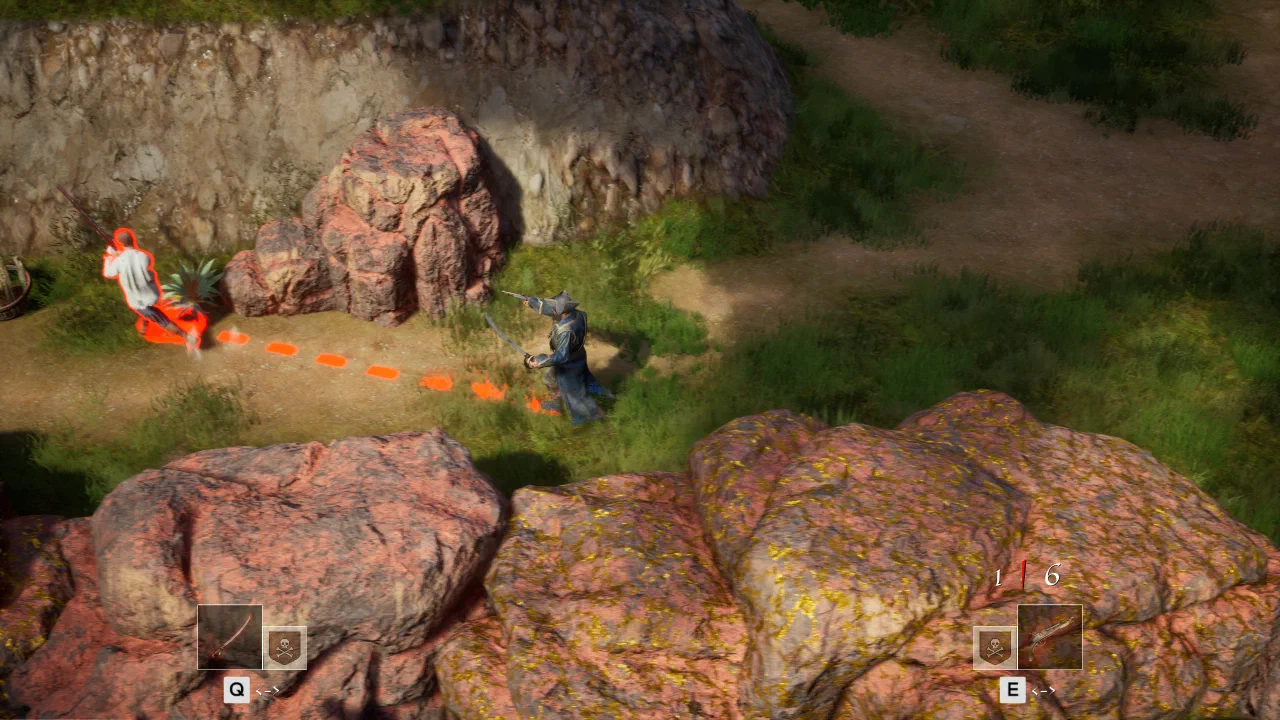
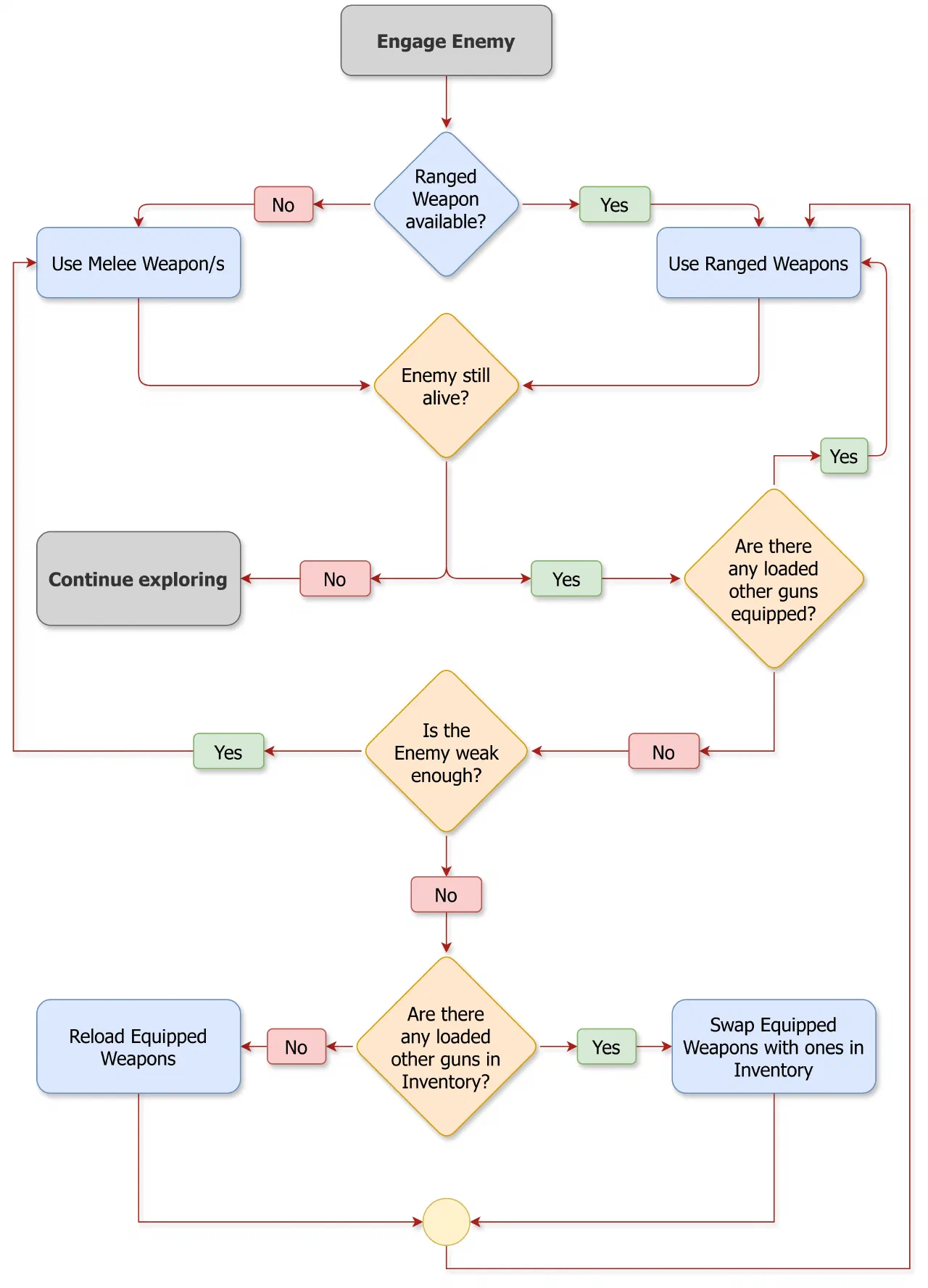
In line with the historical setting, weapons have only 1 bullet in the magazine and a slow reload, creating tension on each missing shot. Also, by making this rule applied to enemies too, combat remained fair and not frustrating.
2. Melee Weapons
Makes the player consume Stamina on each attack, which is also used for sprinting, forcing players to not spam melee hits and using it for finishing already damaged enemies or eliminating weaker ones. Close range attacks are also intended as a way to preserve ammo, making the management of the resources obtained by the player a constant factor to deal with.
3. Hands system
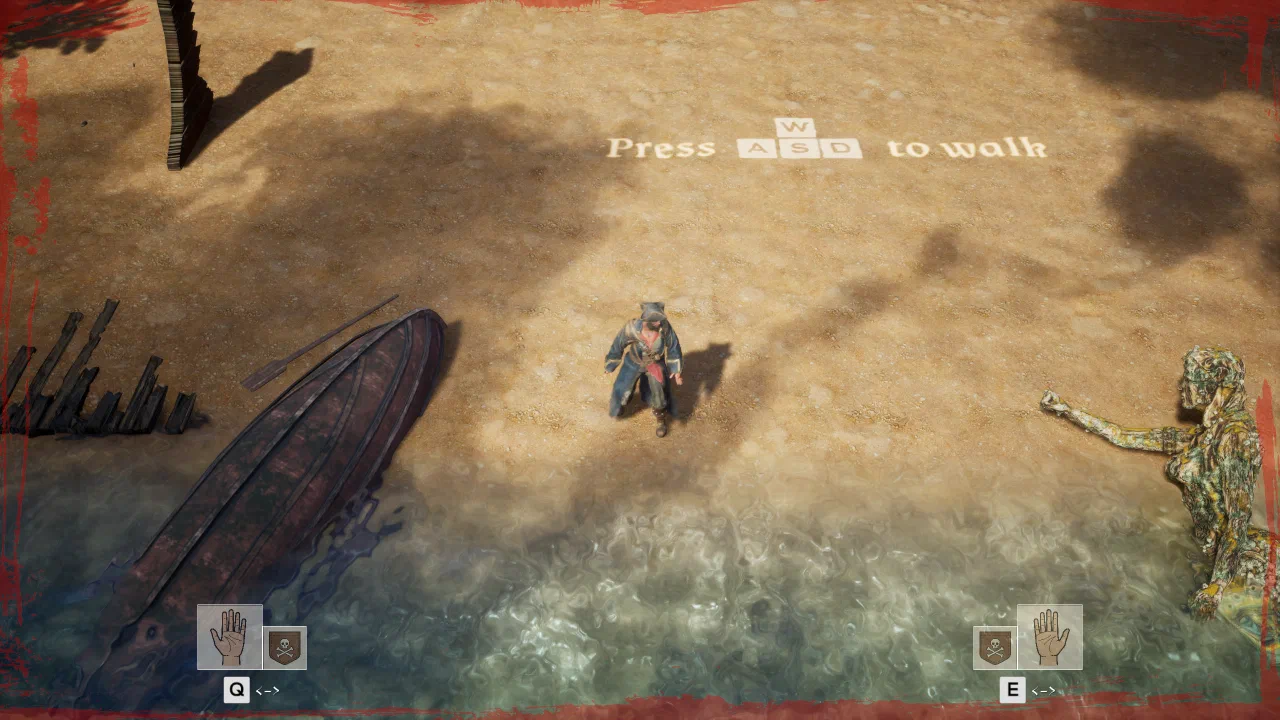
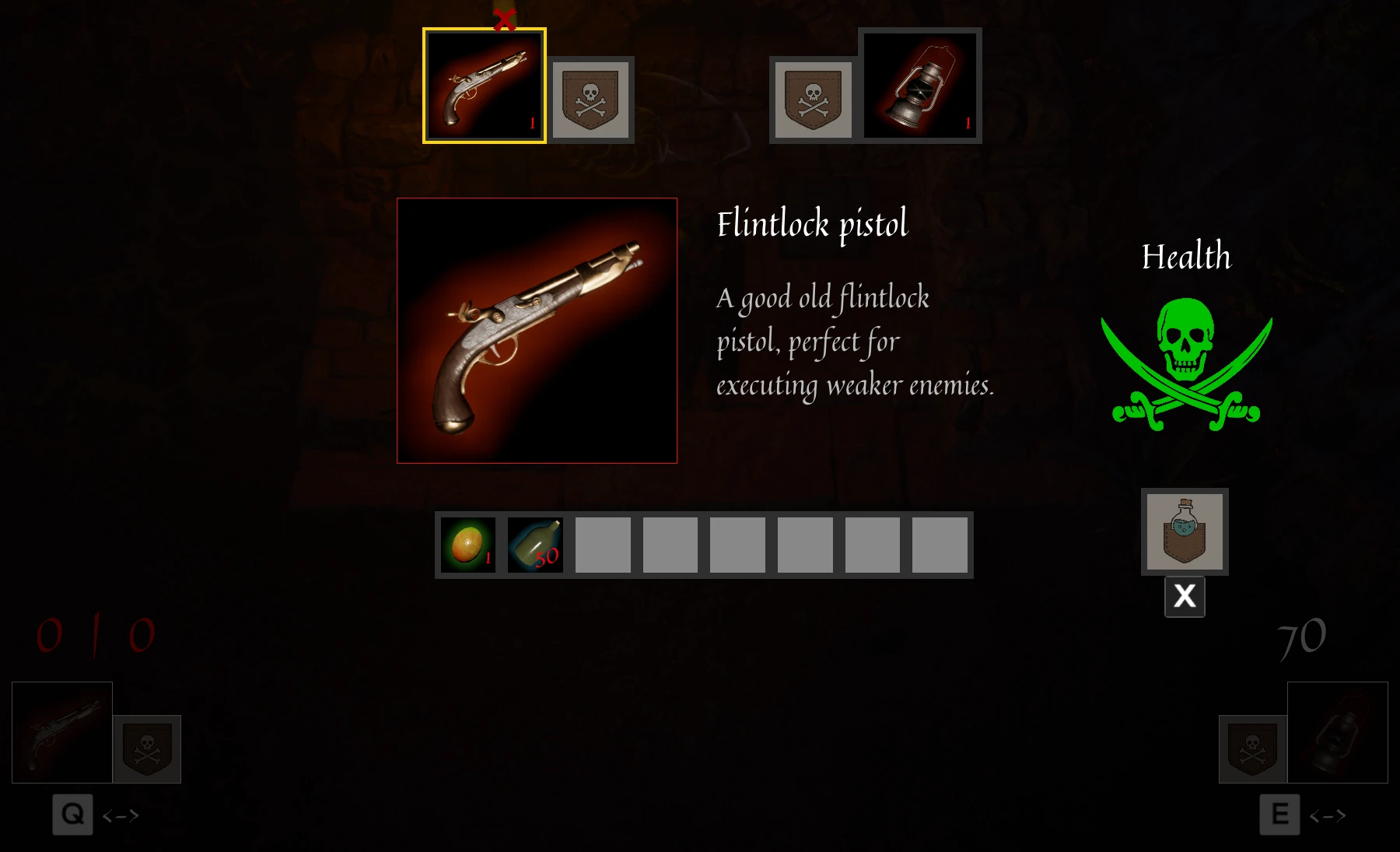
Each equipped weapon occupies one available slot (hand), making players constantly manage the equipment before every fight, while also giving them the possibility to personalize their approach (example: using one pistol and sword vs using two dual wielding pistols).
4. Items limitations
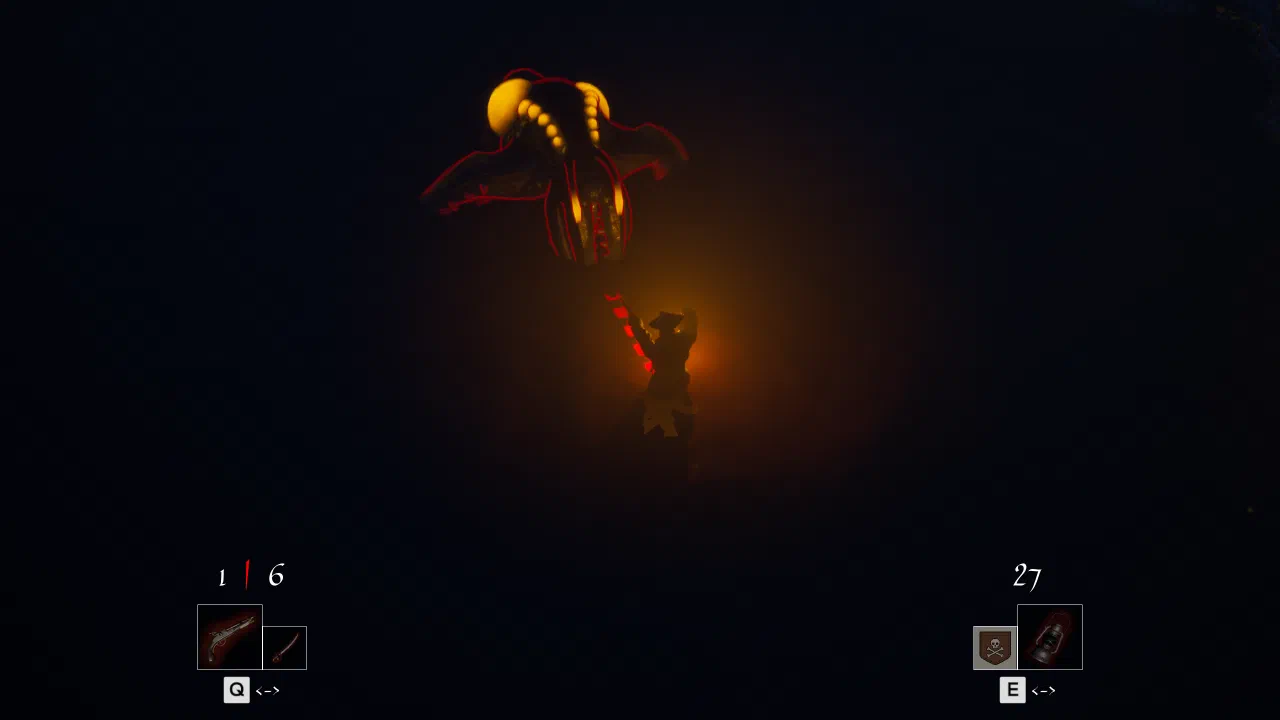
Players were encouraged to constantly make choices regarding their equipment, to better have chances of surviving, by making items like the lantern, needed for traversing dark areas, occupy an Hand slot, just like weapons, or by making a powerful rifle occupy both slots.
Focal Point & Progression
Goal: guide the player in a non linear-map, reducing the cases where objective is unknown, while also encouraging exploration and backtracking.
Process: setting clear goals for the player, both short, mid and long term, to effectively guide him.
1. Puzzles Pieces
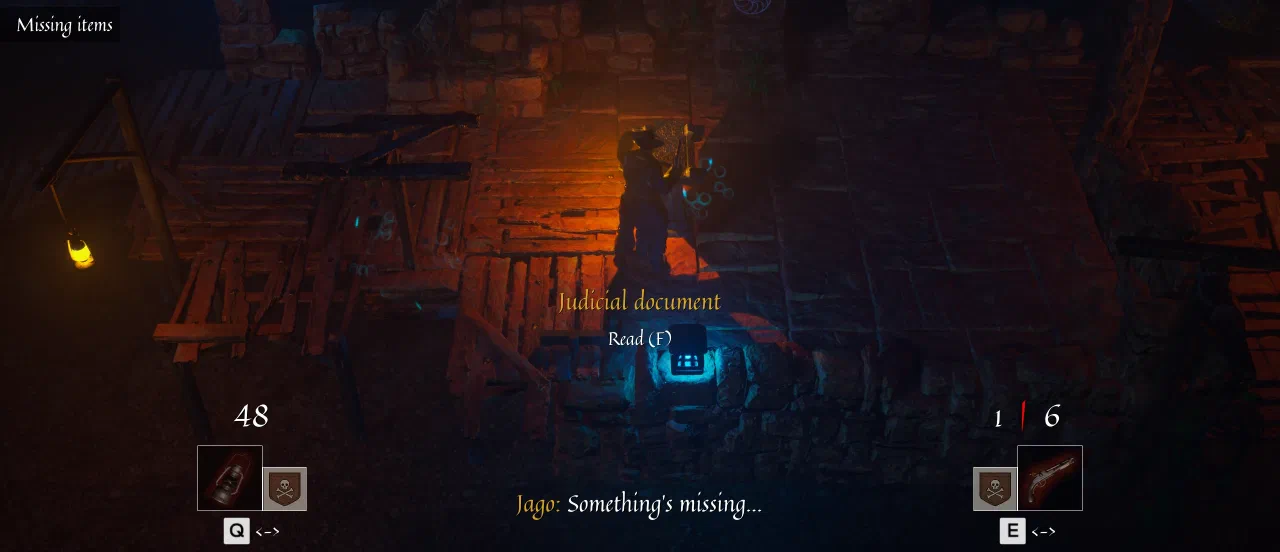
Similar to classic Survival Horrors, Puzzles were used to create a spatial progression goal: player stumbled on a place to interact, requiring additional items (Puzzle Pieces), in order to be able to activate it and trigger a puzzle necessary to advance, forcing player to explore the map, while also backtracking.
2. Lore connection
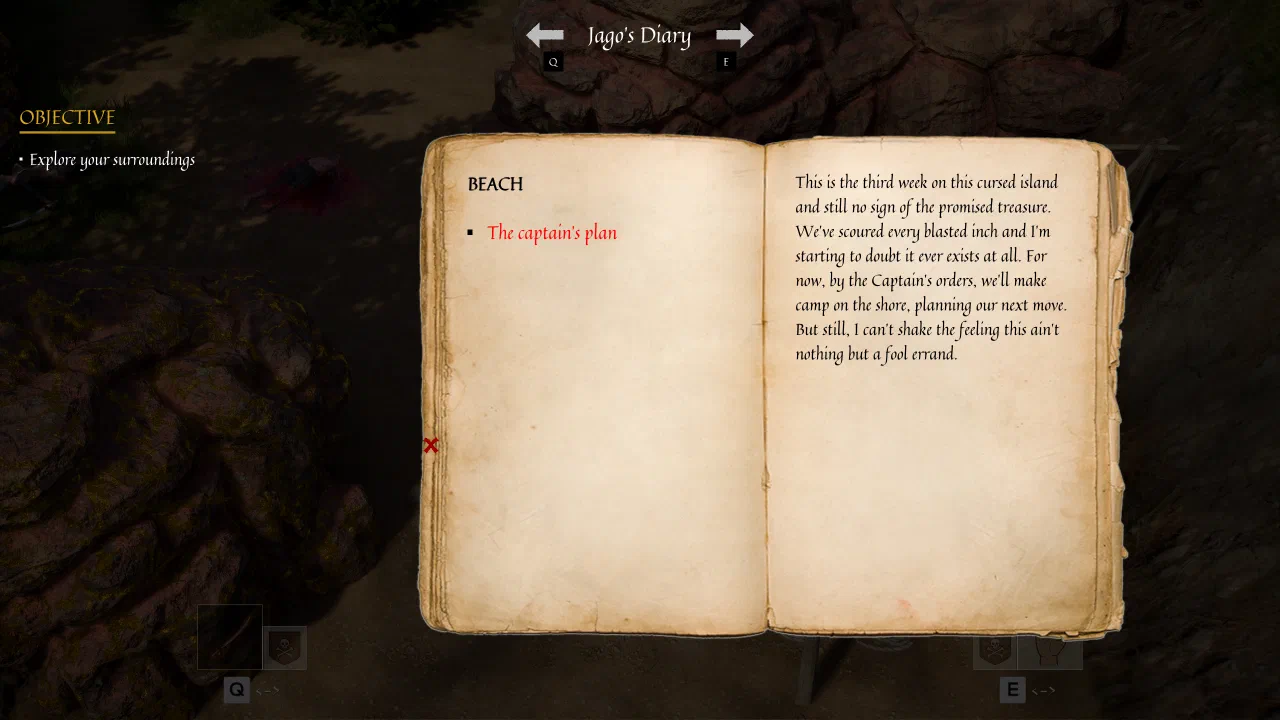
Hints or information necessary to advance were placed inside notes (Letters) found in the map, reinforcing exploration. Letters can also be read again in an dedicated menu (Diary).